
AMOLED / better display
Worth prioritizing if you watch lots of media, edit content or simply care about display quality.
Still compare brightness, resolution and refresh rate. The panel label alone is not the whole screen.
KSh 50,000 is where the buying question starts to change. You are no longer shopping only for affordability. You are deciding which premium-like features are genuinely useful and which ones merely make a phone more expensive.
Expect stronger balance
Performance, storage, display and battery should work well together.
Question premium features
AMOLED, 5G, fast charging and camera extras matter only when they improve your use.
Watch diminishing returns
Paying more near the ceiling should buy more than a small specification change.
Current qualifying catalogue range: Ksh 14,200–Ksh 47,000
The products below are fetched directly from the Gadget Kenya smartphone catalogue with a maximum price of KSh 50,000. Use them as the live shortlist, then judge them using the feature priorities below.
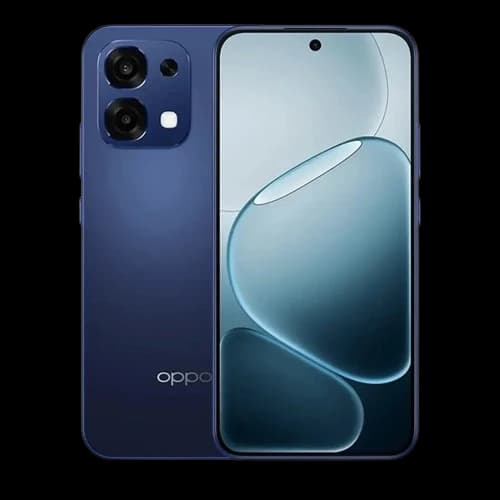
oppo
ColorOS 15.0 • 8GB • 6500mAh, 80W SUPERVOOC fast charging • MediaTek Dimensity 6300
In Stock
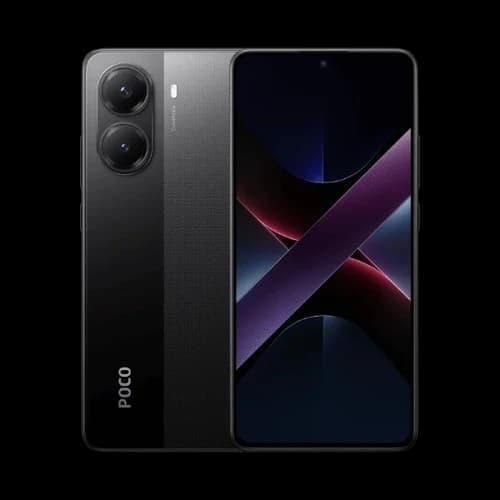
xiaomi
Android (Xiaomi HyperOS 2) • 8GB / 12GB • 6000mAh, 90W fast charging • MediaTek Dimensity 8400-Ultra (up to 3.25GHz)
In Stock
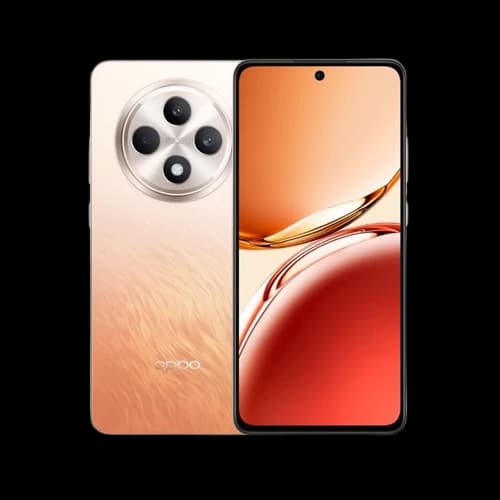
oppo
ColorOS 14 • Region dependent • 5000mAh • MediaTek Dimensity 6300
In Stock
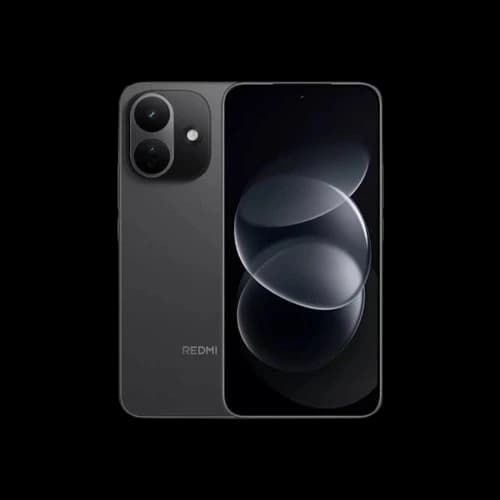
redmi
Android 16 with Xiaomi HyperOS 3, 4 generations of OS upgrades and 6 years of security updates • 6GB / 8GB • 8340mAh silicon-carbon battery, 67W HyperCharge, up to 22.5W wired reverse charging • Qualcomm Snapdragon 6s Gen 4, 4nm Octa-Core processor, up to 2.4GHz
In Stock
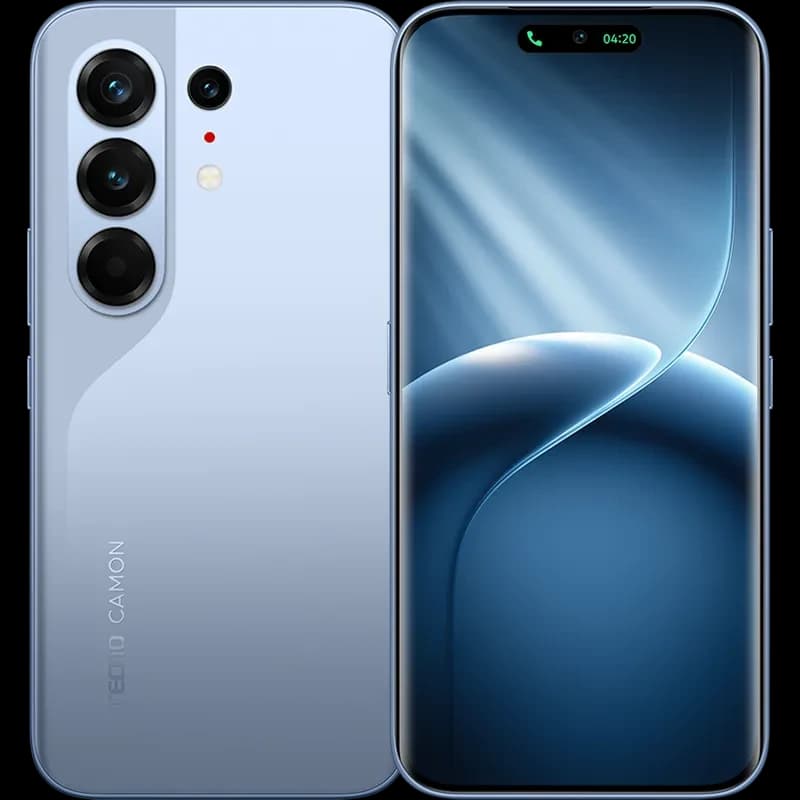
tecno
HiOS 16 (Android-based) • 16GB (8GB + 8GB Extended) • 6500mAh 5-Year Durability Battery, 45W Super Charge • MediaTek Helio G200 Ultimate Processor, Octa-Core
In Stock
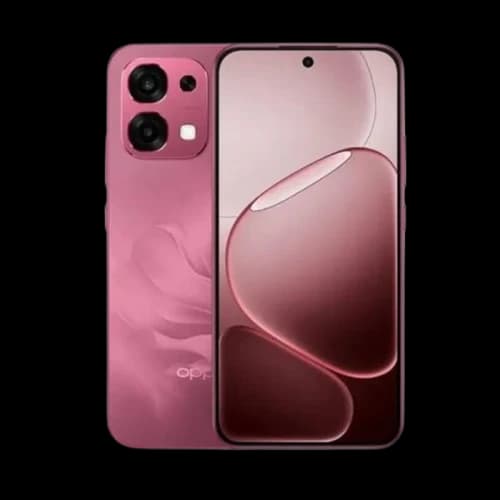
oppo
ColorOS 15.0 • 8GB • 7000mAh, 80W SUPERVOOCTM Flash Charge • MediaTek Helio G100
In Stock
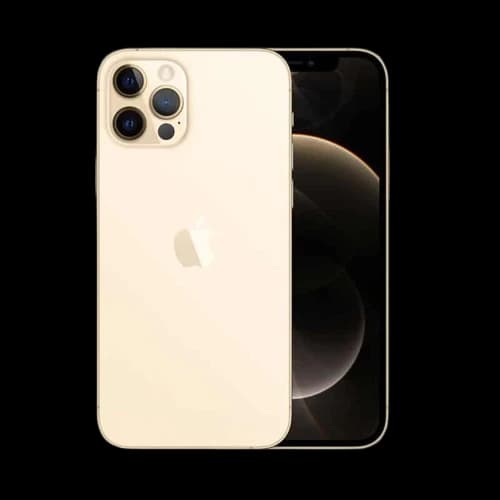
apple
Launched with iOS 14, supports later iOS versions depending on Apple update lifecycle • 6GB • 2815mAh, Fast Charging support (up to 20W), MagSafe Wireless Charging, Qi Wireless Charging • Apple A14 Bionic (5nm), Hexa-core CPU, 4-core GPU, 16-core Neural Engine
In Stock
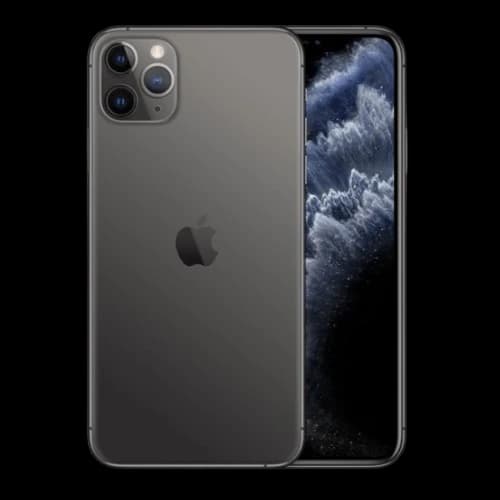
apple
Launched with iOS 13, supports later iOS versions depending on Apple update lifecycle • 4GB • 3969mAh, Fast Charging support, Qi Wireless Charging • Apple A13 Bionic (7nm+), Hexa-core CPU, 4-core GPU
In Stock
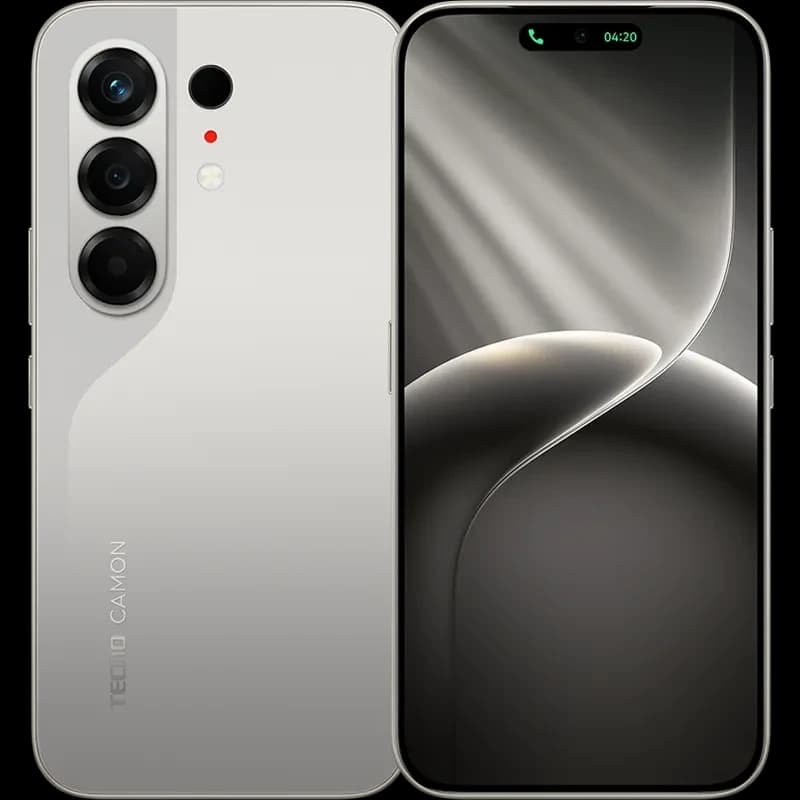
tecno
HiOS 16 (based on Android) • 8GB / 12GB (Extendable to 16GB/24GB) • 6150mAh, non-removable, 5-Year Durability Battery, 45W Super Charge • MediaTek Helio G200 Ultimate Processor, Octa-Core
In Stock

redmi
Android 16 with Xiaomi HyperOS 3 • 8GB • 7700mAh silicon-carbon battery, 45W turbo charging • Qualcomm Snapdragon 6s 4G Gen 2, 6nm, Octa-Core up to 2.9GHz
In Stock
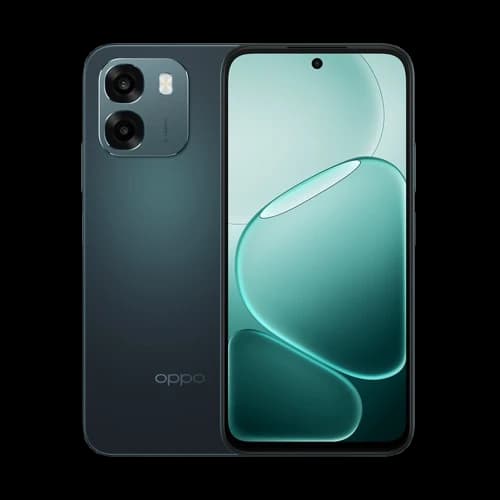
oppo
ColorOS 15 • Region dependent; confirm supplied unit • 7000mAh • Snapdragon 685
In Stock
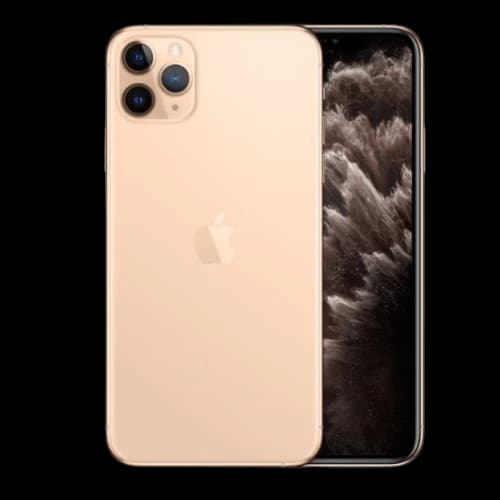
apple
Launched with iOS 13, supports later iOS versions depending on Apple update lifecycle • 4GB • 3046mAh, Fast Charging support, Qi Wireless Charging • Apple A13 Bionic (7nm+), Hexa-core CPU, 4-core GPU
In Stock
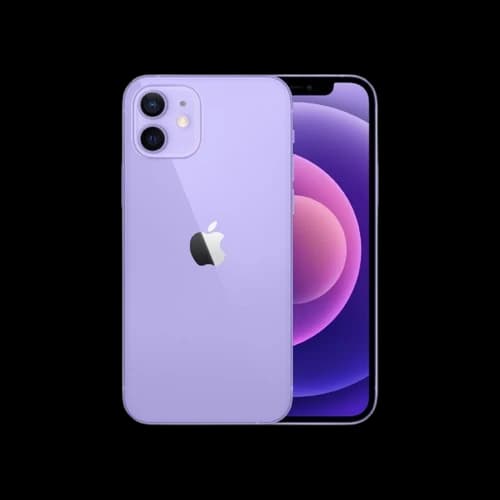
apple
Launched with iOS 14, supports later iOS versions depending on Apple update lifecycle • 4GB • 2815mAh, Fast Charging support, MagSafe Wireless Charging, Qi Wireless Charging • Apple A14 Bionic (5nm), Hexa-core CPU, 4-core GPU, 16-core Neural Engine
In Stock
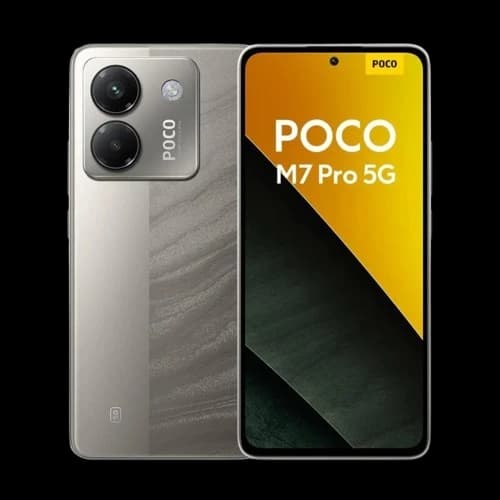
xiaomi
Xiaomi HyperOS • 8GB / 12GB • 5110mAh, 45W turbo charging • MediaTek Dimensity 7025-Ultra (octa-core, up to 2.5GHz)
In Stock
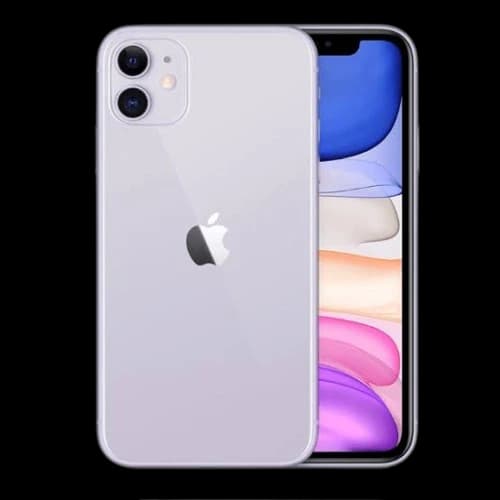
apple
Launched with iOS 13, supports later iOS versions depending on Apple update lifecycle • 4GB • 3110mAh, Fast Charging support, Qi Wireless Charging • Apple A13 Bionic (7nm+), Hexa-core CPU, 4-core GPU
In Stock
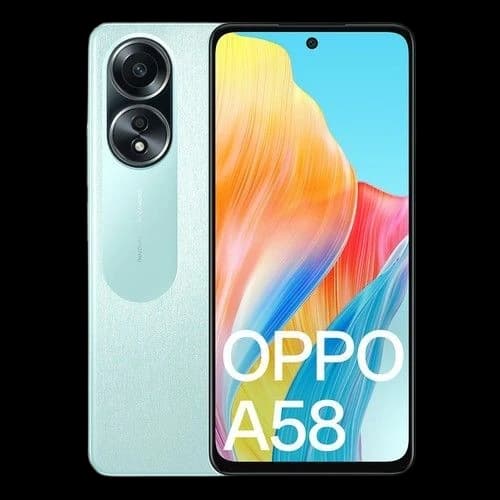
oppo
ColorOS 13.1 at launch • 5000mAh • MediaTek Helio G85 • 6.72-inch FHD+ LCD (2400 × 1080)
In Stock
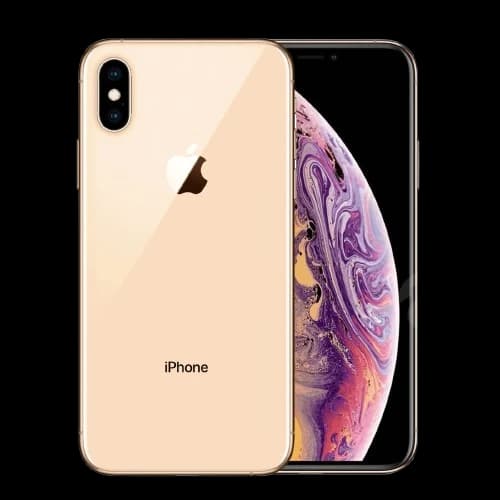
apple
Launched with iOS 12, supports later iOS versions depending on Apple update lifecycle • 4GB • 2658mAh, Fast Charging support, Qi Wireless Charging • Apple A12 Bionic (7nm), Hexa-core CPU, 4-core GPU
In Stock
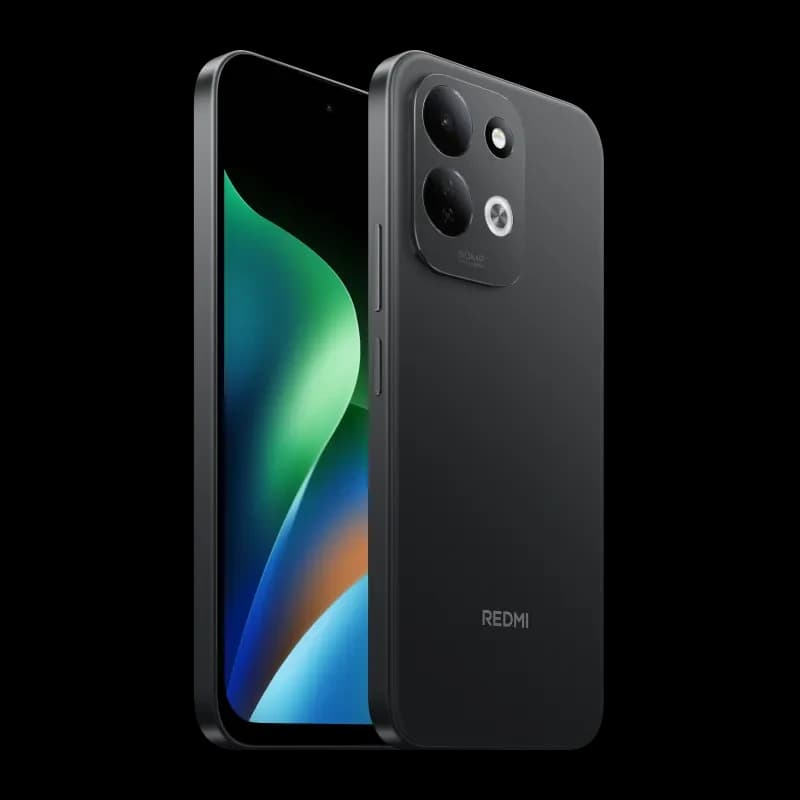
redmi
4GB or 6GB physical LPDDR4X; memory extension supported • 3.5mm headphone jack; FM radio with headphones • Front and rear up to 1080p at 30fps • Dual-band 2.4GHz / 5GHz
In Stock
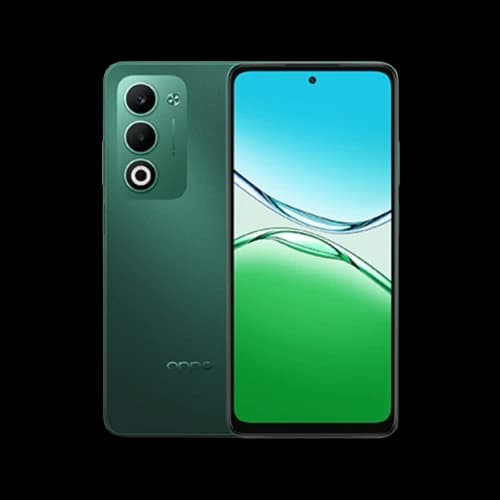
oppo
ColorOS 15 (Android-based) • 6GB / 8GB • 6000mAh typical, 45W fast charging • Snapdragon 6s 4G Gen 1, octa-core, Adreno 610 GPU
In Stock
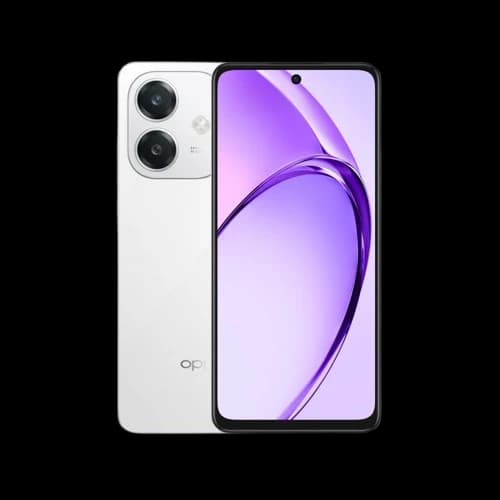
oppo
ColorOS 14 • 5100mAh • Snapdragon 6s 4G Gen 1 • 6.67-inch HD+ LCD (1604 × 720), up to 90Hz
In Stock
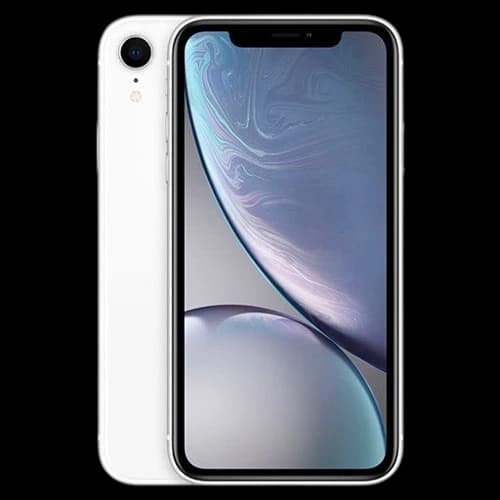
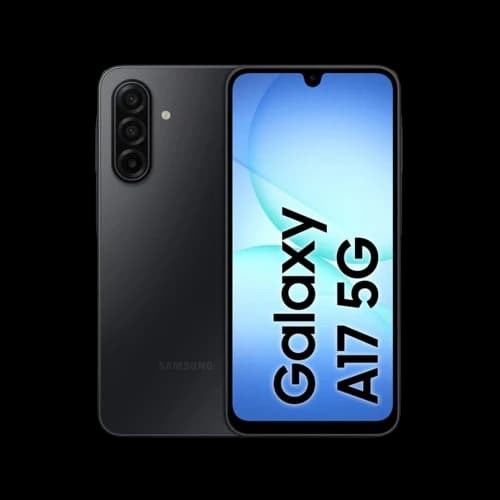
samsung
Android with One UI 7 • 4GB • 5000mAh • Octa-core 2.2GHz + 2.0GHz
In Stock

oppo
ColorOS (version varies by release) • Unsupported • 6500mAh • Snapdragon 685
In Stock
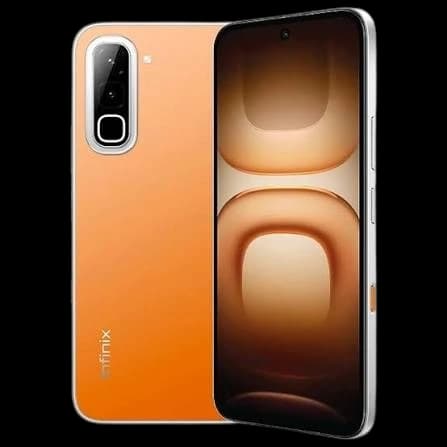
infinix
Android 16 (XOS 16) • 6GB / 8GB (+ Virtual RAM) • 6000mAh, 45W Lightning FastCharge • MediaTek Helio G100 Ultimate
In Stock
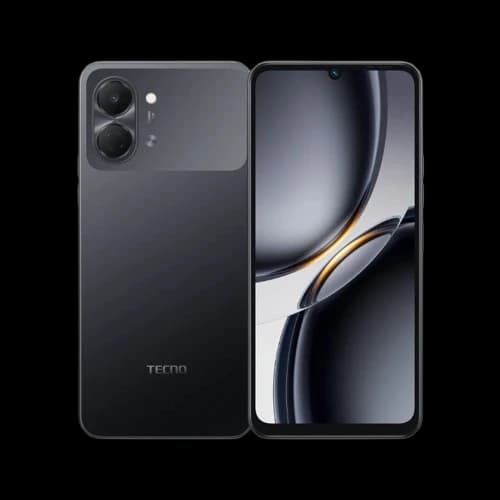
tecno
Android 15 • 4GB physical RAM; supports 4GB extended RAM • 5000mAh • UNISOC T7250
In Stock
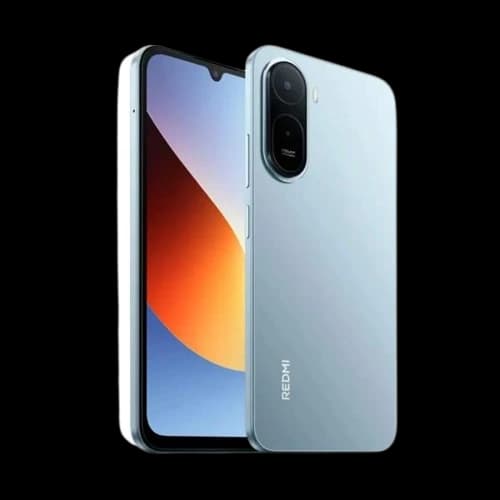
redmi
Xiaomi HyperOS 3 • 4GB • UNISOC T7250, octa-core • Black, Mist Blue, Palm Green, Sunset Orange
In Stock
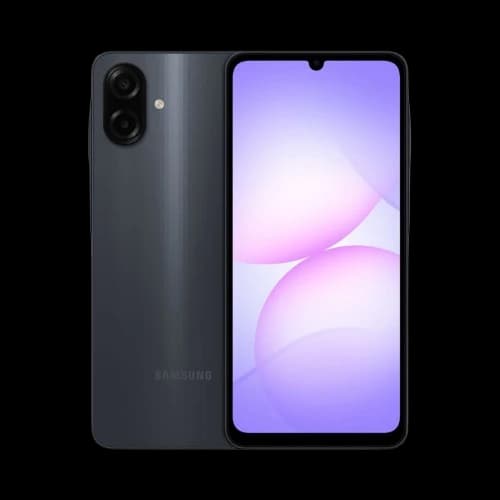
samsung
Android with One UI • 4GB • 5000mAh • MediaTek G99 (6 nm)
In Stock
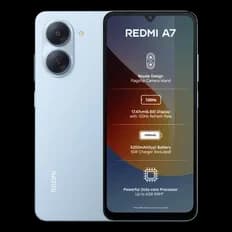
redmi
3GB physical LPDDR4X; up to 3GB additional virtual memory extension • 3.5mm headphone jack • Front and rear: up to 1080p at 30fps • Dual-band 2.4GHz / 5GHz; 802.11a/b/g/n/ac
In Stock
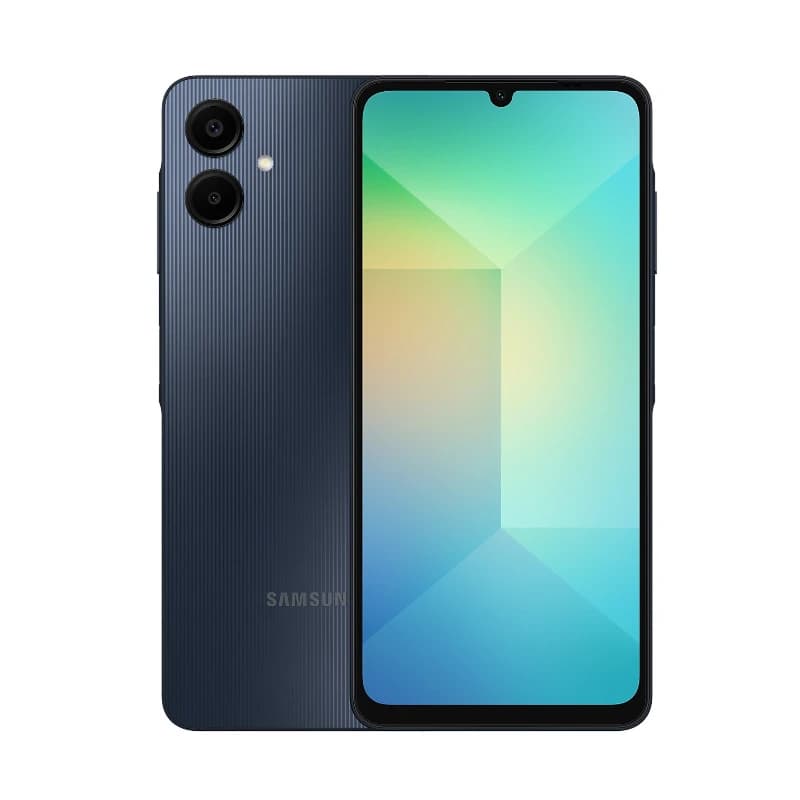
samsung
Android with One UI • 4GB / 6GB • 5000mAh, 25W Fast Charging • MediaTek Dimensity 6300
In Stock
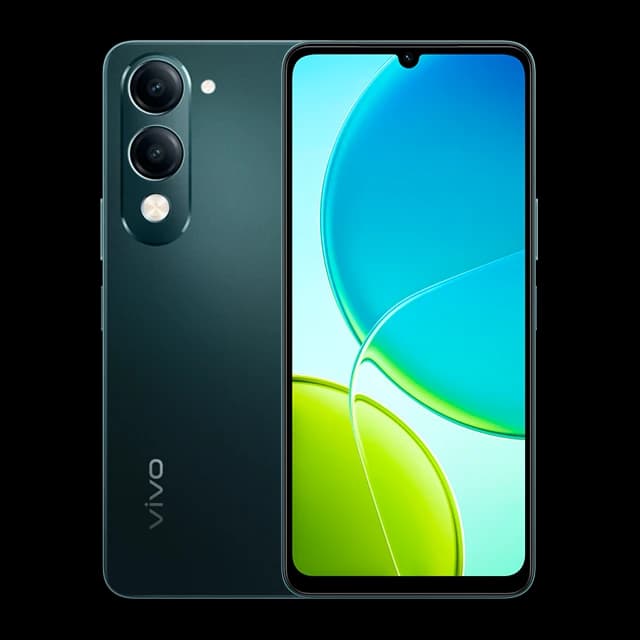
vivo
Funtouch OS 14 (Android 14) • 4 GB • 5500 mAh, 15W charging • T7225 octa-core, 12 nm
In Stock
At this price, feature lists can become impressive quickly. The useful question is whether the feature changes how the phone feels or what it lets you do.
Worth prioritizing if you watch lots of media, edit content or simply care about display quality.
Still compare brightness, resolution and refresh rate. The panel label alone is not the whole screen.
Worth paying for when you want the connectivity and intend to keep the phone long enough for it to matter.
Do not choose 5G at the cost of clearly weaker RAM, storage or performance unless connectivity is your priority.
Useful when you often top up during the day or have short charging windows.
Compare battery capacity and efficiency too. Charging speed does not define battery life.
Worth it when additional lenses or video features genuinely support how you shoot.
Avoid paying for decorative secondary cameras or megapixel numbers you will not use.
The final KSh 10,000–15,000 of your budget should be treated differently from the first part. Once a phone already covers your essential needs well, every extra shilling should buy a feature you can name and justify.
Focus on getting the fundamentals right: processor, RAM, storage, battery and a display you are comfortable using every day.
Look for upgrades that change the experience: better camera hardware, stronger processing, higher-quality display, more useful storage, faster charging or better connectivity.
If the next phone mostly changes design, marketing language or specifications you will not use, you may already have reached the best point for your budget.
These values are taken from phones currently qualifying for the KSh 50,000 ceiling. They are reference points rather than requirements.
This question becomes more common near KSh 50,000 because the budget can overlap with older premium or pre-owned devices. The badge that once said “flagship” should not make the decision for you.
Check
Newer mid-range
Older premium / pre-owned
Condition
Usually easier to judge when sold as a new current unit
Check physical condition, battery health and exact device history where relevant
Performance
Newer mid-range chips can be efficient and capable
Older premium hardware may still be powerful, but age matters
Cameras
May offer strong modern processing and balanced everyday cameras
May offer premium-era hardware such as additional useful lenses
Software
Check current OS and remaining support for the exact model
Check how much software support remains on the older model
Battery
Compare capacity, charging and efficiency
Battery condition can matter as much as original capacity on a used device
These are current catalogue reference points, not permanent recommendations. Use them to inspect whether spending closer to KSh 50,000 produces upgrades you would actually notice.
Around KSh 35,000
Ksh 33,800
View specifications →Near KSh 50,000
Ksh 47,000
View specifications →At this budget, buying “a bit of everything” can still leave you paying for features you do not value. Start with the one area you care about most, then check that the rest of the phone is balanced enough.
Compare useful lenses, stabilization, selfie camera, low-light capability and video features. Do not make the decision from megapixels alone.
Prioritize processor, RAM, storage speed and thermal behaviour. A high refresh rate is most useful when the phone can keep the experience smooth.
Display quality, storage, speakers where relevant and battery life deserve more attention if the phone is your main screen for video and social media.
Buy enough RAM and storage for future use, confirm network support, and check software support information for the exact model.
6.57" FHD+ AMOLED, 120Hz · 6.67" 1.5K AMOLED, 120Hz · 6.67-inch FHD+ OLED (2400 × 1080), up to 120Hz · 6.83-inch 1.5K AMOLED, 2772 × 1280, 120Hz, up to 3500 nits · 6.78" Curved AMOLED, 1208 × 2644, 1.5K, 144Hz · 6.57" AMOLED, 120Hz, FHD+, 1.07B colors
6500mAh, 80W SUPERVOOC fast charging · 6000mAh, 90W fast charging · 5000mAh · 8340mAh silicon-carbon battery, 67W HyperCharge, up to 22.5W wired reverse charging · 6500mAh 5-Year Durability Battery, 45W Super Charge · 7000mAh, 80W SUPERVOOCTM Flash Charge
If you do not need everything available near KSh 50,000, compare a lower budget or narrow the search around storage, connectivity or brand.
The best use of a KSh 50,000 ceiling is to know which premium-like features improve your experience and which ones are simply increasing the price.
At this budget, expect fewer basic compromises. Prioritize a strong overall package: processor, RAM, storage, display, cameras, battery, charging, network support and software.
Yes. The current Gadget Kenya shortlist includes phones identified as 5G below KSh 50,000. Confirm the exact variant and network specification before buying.
It can be, especially if display quality matters to you. Compare panel type together with resolution, brightness and refresh rate instead of judging the screen from one specification alone.
Compare condition, software support, battery health, performance, cameras and the features you actually need. An older premium device is not automatically better than a newer mid-range phone.
Yes if you keep many apps, photos, videos or downloads. But storage should not come at the expense of the performance, display, camera or battery qualities that matter more to you.
Only when the phone near the ceiling gives you meaningful improvements you will use. If a cheaper model already meets your priorities, keeping the difference is often the better value decision.